A new bill introduced in the United States gives Biden broad powers to block access to digital assets.
On June 5, Senator Mark Warner’s strategic amendment to the Intelligence Authorization Act for Fiscal Year 2025 was published on X. The Act provides the U.S. president with sweeping new powers regarding digital assets.
What is known about the new bill?
The Act, known as S.4443, was introduced in the U.S. Senate on June 3. It provides for the approval of funding for the U.S. intelligence community and the granting of legal powers.
The new proposal has already caused great concern among the crypto community. Under the latest amendment to the bill, the president can block transactions between U.S. individuals and foreign organizations that are found to support terrorist organizations. For example, ban any kind of transactions between any person subject to the jurisdiction of America and a foreign crypto intermediary.
What the cryptocurrency community says
Financial lawyer Scott Johnsson criticized the law due to its broad scope. He said S.4443 means the president can impose a user-level ban on any protocol or smart contract.
Johnsson thinks that the law may limit users to regulated KYC-compliant blockchains. He sees this as an attempt to strengthen control over digital assets under the guise of fighting terrorism since Warner’s amendments are borrowed from the Terrorism Financing Prevention Act.
Current regulation of crypto exchanges in the U.S.
In March 2013, Financial Crimes Enforcement Network (FinCEN) classified crypto exchanges as money services businesses, which required the collection of customer identification information. Since then, U.S. crypto platforms are required to verify the identities of their users before they get access to trading.
Operation of crypto exchanges in the USA
To register a crypto exchange in America, one must comply with several conditions, and the issued token can subsequently be considered a security or currency. The legal regulation of crypto in the United States depends on federal legislation and each state’s legislation.
Moreover, U.S. citizens or residents should use domestic exchanges under FinCEN regulations. Attempting to use international platforms may lead to a ban from trading or registration if someone is found to be using a U.S. IP address.
Given these regulations and the security risks associated with foreign exchanges, U.S. investors are advised to conduct cryptocurrency transactions through domestic platforms.
Regulatory acts
Businesses in the digital currency must comply with the Bank Secrecy Act (BSA). Depending on their activities, they must register with the appropriate federal agencies, such as FinCEN, Securities and Exchange Commission (SEC), or Commodity Futures Trading Commission (CFTC).
To ensure compliance, these organizations must conduct thorough risk assessments to assess their exposure to money laundering and develop robust AML programs tailored to their risk profiles. These programs should include comprehensive policies, procedures, controls, independent compliance testing, dedicated compliance personnel, and ongoing training.
The U.S. has become sharply concerned about the crypto industry
The intersection of digital assets and politics could significantly influence the 2024 U.S. presidential election. As digital assets gain popularity, candidates’ stances on crypto regulation and blockchain innovation could likely sway voters.
The impact of crypto politics on the U.S. presidential election will be more critical than ever. This is the first election in which leading candidates actively discuss cryptocurrency, despite its minor role in previous campaigns when Andrew Yang ran for office.
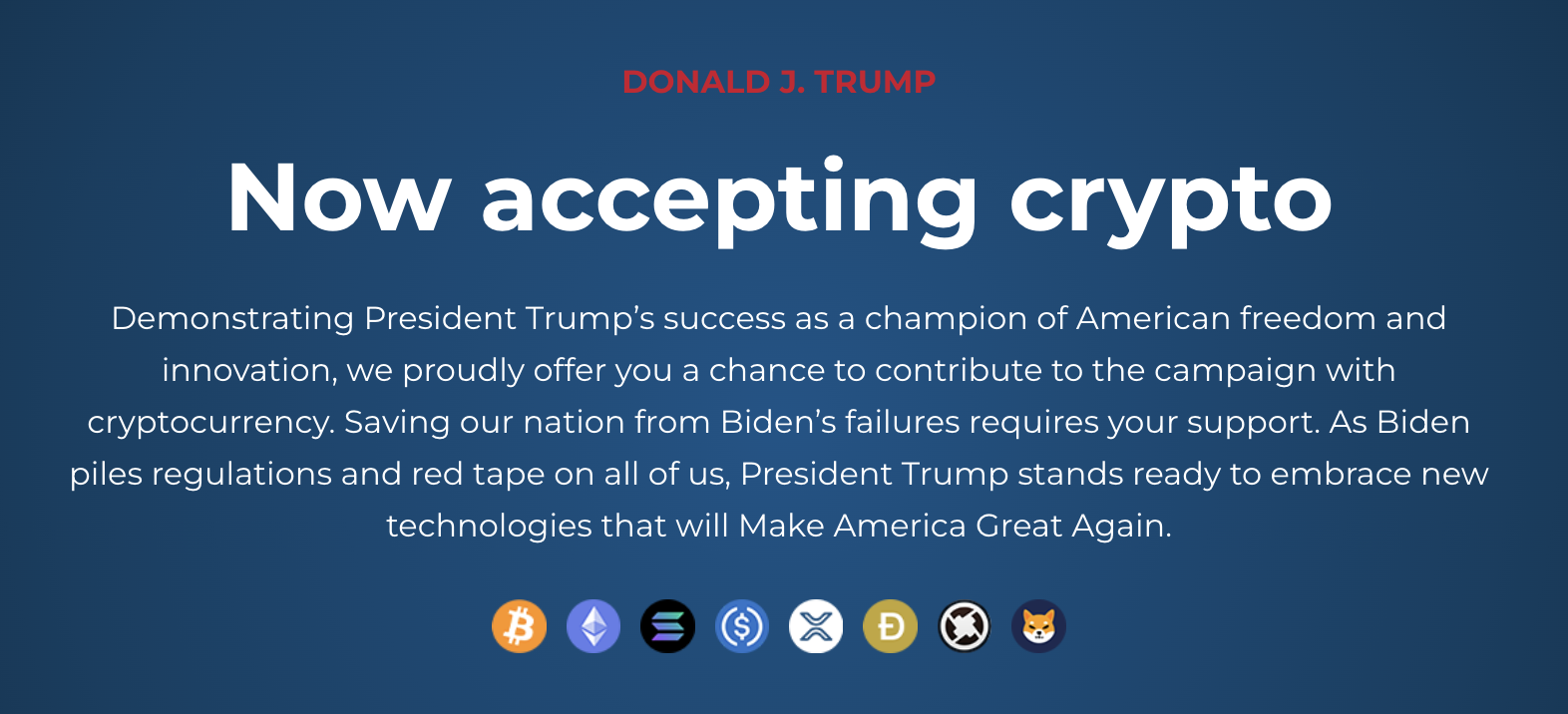
For example, former American president Donald Trump started accepting crypto donations last month for his campaign, which has given crypto industry advocates, including Messari CEO Ryan Selkis, a platform to voice their beliefs.
At the same time, current U.S. President Joe Biden, whose administration had previously not been loyal to digital assets, abruptly changed his cryptocurrency policy.
The president’s position changed after Trump’s election campaign portrayed cryptocurrencies as positive. Since then, Democratic members of Congress have voted in favor of cryptocurrency, and the presidential campaign is seeking policy guidance by contacting industry insiders and cryptocurrency experts.
Will the bill be approved?
Given the upcoming elections, regulation of the cryptocurrency sector is becoming increasingly crucial for the current administration. However, since the crypto community has become an essential part of voters, it is not profitable to ignore their interests.
The question of waiving the provision related to crypto exchanges and sanctions remains open. It will likely require further refinement before legislators make a final decision.
Credit: Source link