By Rob Chang, CEO & Director of Gryphon Digital Mining Inc. (Nasdaq: GRYP)
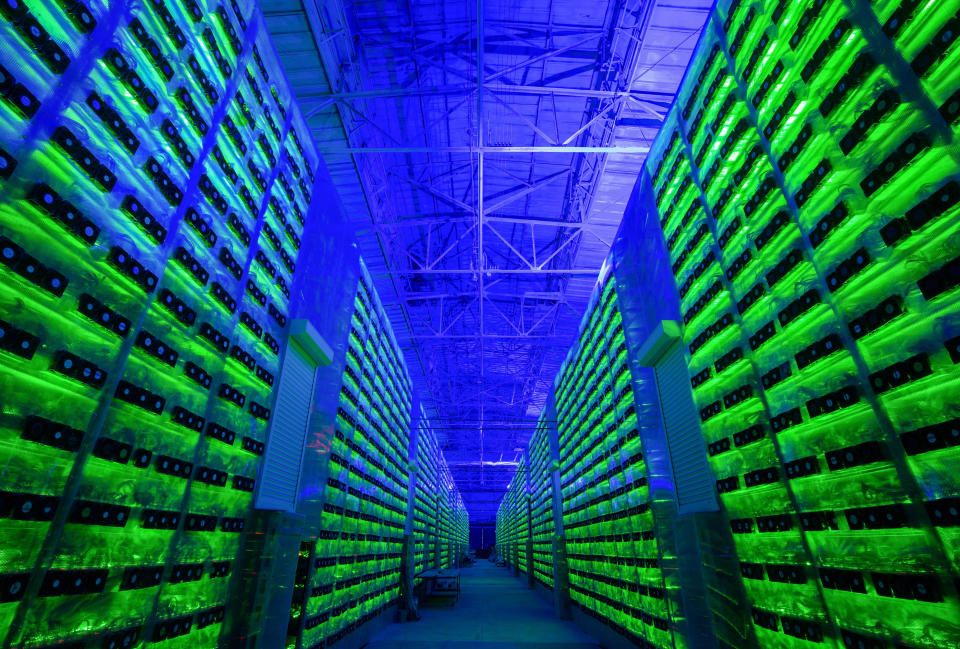
At the start of January 2024, the Bitcoin mining sector hit a significant milestone with its sustainable energy usage peaking at over 50%. This achievement is more than simply a nod to the greening efforts within the cryptocurrency space – it’s a loud proclamation of Bitcoin mining’s evolving ethos. Powered by an increased adoption of renewable energy sources, the industry is not only dialing down its environmental impact but also unlocking new vistas in green energy revenue. A seminal study from Cornell University has thrown the spotlight on an intriguing potential: Bitcoin mining operations could be the knight in shining armor for early-stage renewable energy projects, providing a financial lifeline by monetizing surplus power. This notion is gaining traction in the U.S., especially in renewable energy possibilities, promising to trim the carbon footprint of cryptocurrencies while fast-tracking renewable infrastructure’s growth.
But it’s the geographical agnosticism of Bitcoin mining that truly sets the stage for its green revolution. The sector’s mobility allows it to migrate to locales brimming with unused renewable energy, leveraging the stable bounty of hydro and geothermal sources over the fickle nature of wind and solar. A case in point is Gryphon Digital Mining’s operation in upstate New York, a leader with 100% renewable energy reliance amidst the broader discourse on mining’s environmental toll. This initiative doesn’t just underline the feasibility of sustainable mining, it showcases the sector’s potential as a catalyst for local economies and energy infrastructure development.
Regulatory Hurdles and the Path Forward
However, this green transition is not without its challenges, with regulatory hurdles forming the crux of the debate. The mining sector finds itself at a regulatory crossroads, where the clarity and stability of policies are paramount. Proposals abound, from awarding carbon credits for emissions reduction to the more contentious idea of taxing crypto miners. There’s a collective push toward harnessing the built-in economic incentives of Bitcoin mining to encourage sustainable practices, thus circumventing the necessity for heavy-handed regulatory measures.
This juncture signals a call for regulatory clarity, yes, but it also depicts the urgent need for the mining industry to adapt and commit to renewable energy. The time is ripe for a concerted effort to pivot towards greener practices, aligning with global sustainability goals, and for the mining sector to redefine its role in the energy ecosystem.
A Diverse Regulatory Landscape
The U.S. cryptocurrency mining landscape is a patchwork of regulatory frameworks, but one trend is unmistakably clear: the future of Bitcoin mining is inexorably tied to renewable energy. In states like Texas, the convergence of deregulated energy markets with substantial renewable energy projects has positioned it as a one of the more notable proponents for the industry’s sustainable future. This is a strategic alignment with the economic and environmental zeitgeist. Texas’s ERCOT grid, with its flexible electricity pricing and significant renewable capacity, exemplifies how the mining sector and renewable energy development can symbiotically thrive. Adding to this trend, Missouri’s recent legislative proposal by State Rep. Phil Christofanelli aims to bolster the state as a hub for Bitcoin mining, promising economic growth and aligning with a national shift toward sustainable mining practices. This move, alongside significant industry expansions in Texas, highlights a nationwide momentum toward integrating Bitcoin mining with renewable energy.
Although the narrative is significantly different in states like New York, its partial bans on carbon-dependent Bitcoin mining prove the notion that there is a growing environmental consciousness and an acknowledgment that the urgent need for sustainable energy solutions in the mining sector is imminent. Meanwhile, Wyoming’s regulatory environment has cultivated a fertile ground for digital asset companies, signaling a broader industry shift towards greener pastures – both literally and figuratively.
Globally, the pivot toward renewable energy in Bitcoin mining has also gained momentum, especially following China’s 2021 crackdown which sent miners scattering across the globe in search of welcoming jurisdictions. Ethiopia has emerged as a new destination in this global diaspora, offering low electricity costs and an inviting regulatory landscape for mining operations. The nation’s increased ties with China, coupled with the construction of the Grand Ethiopian Renaissance Dam, emphasize a strategic pivot to renewable sources of power for mining operations, mirroring a global trend towards sustainability.
Redefining the Narrative of Bitcoin Mining
While mainstream media narratives often paint Bitcoin miners as environmental villains, the unfolding data narrative tells a markedly different tale. Far from being meager energy consumers, there’s a growing body of evidence highlighting how Bitcoin mining operations are becoming pivotal to supporting local economies and enhancing the resilience of grid infrastructures. These operations are adopting greener practices at an unprecedented rate and proving to be beneficial allies in the broader push toward renewable energy and sustainable development.
As the sector continues to navigate the intricacies of regulatory environments and strives for greater sustainability, it stands as a testament to the potential of innovative technologies to contribute positively to society and the environment.

Rob Chang, CEO & Director of Gryphon Digital Mining Inc. (Nasdaq: GRYP)
Contact:
Executives-Edge.com
Editor@executives-edge.com
Credit: Source link