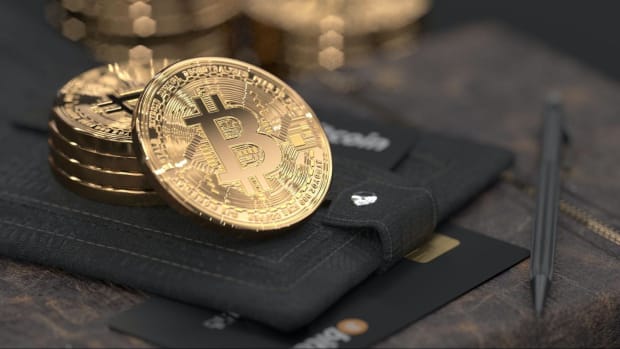
Since its conception in 2009, Bitcoin, a revolutionary digital money, has advanced significantly. The development of Bitcoin wallets has been astounding along with the rise of Bitcoin. It has been a wonderful journey from simple solutions to the sophisticated and feature-rich wallets we have today. We’ll go into the fascinating past of Bitcoin wallets in this post, and we’ll also look at how they’ve changed to accommodate the demands of modern cryptocurrency fans.
Key Takeaways
- Since the beginning of cryptocurrencies, bitcoin wallets have seen tremendous development.
- Modern systems now provide improved convenience, security, and user-friendly features.
- Users may choose a wallet with more knowledge if they are aware of the evolution of Bitcoin wallets.
Bitcoin Wallet: A Private Digital Safe
Let’s first define a Bitcoin wallet before starting our time travel adventure. A Bitcoin wallet is a software program or physical object that enables users to securely store, transmit, and receive bitcoin. Your private keys, which are necessary for accessing your Bitcoin assets, are stored in it as a virtual vault. It would be nearly difficult to conduct Bitcoin transactions without a wallet.
- Fun fact: Did you know that Satoshi Nakamoto, the enigmatic person who invented Bitcoin, carried out the first transaction? On January 12, 2009, he gave developer Hal Finney 10 bitcoins, thus launching the cryptocurrency.
Paper Wallets and Simple Software Wallets in the Beginning
Security was a major issue in the early days of Bitcoin. To store their private and public keys, users depended on paper wallets, which were simply printouts. The keys were stored offline, away from any online threats, in these paper wallets, making them safe. They were inconvenient, though, because each transaction needed human key input.
- Interesting fact: On May 22, 2010, Laszlo Hanyecz created history by carrying out the first Bitcoin transaction in the real world. He spent 10,000 bitcoins, or millions of dollars in today’s currency, to buy two pizzas.
Basic software wallets soon followed, offering a more user-friendly interface. Users could easily manage their Bitcoin on their PCs with the help of these wallets, which were easy to install. To avoid data loss, they needed to be constantly backed up and were susceptible to virus assaults.
Mobile Wallets: Access to Bitcoin Anywhere
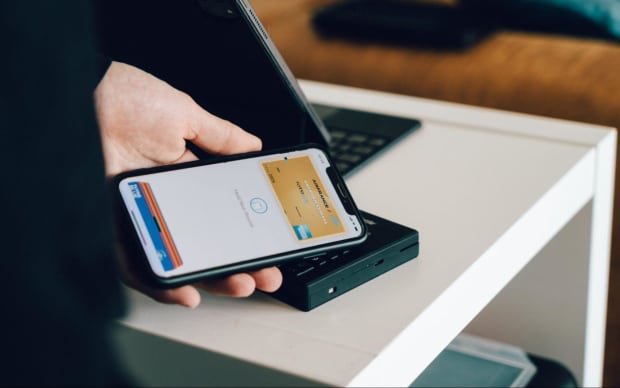
With the popularity of smartphones, Bitcoin wallets appeared on portable electronics, enabling users to carry their digital assets with them wherever they went. Mobile wallets made using Bitcoin more convenient and opened the door for regular transactions.
- Fun fact: In 2013, James Howells, a programmer, mistakenly threw away a hard drive containing his Bitcoin wallet. The hard disk was eventually dumped in a landfill, where it is still today. Over 7,500 bitcoins, worth millions of dollars, are thought to be in the misplaced wallet.
Accessing Bitcoin Anywhere, Anytime with Web Wallets
The ability to access money from any internet-connected device thanks to web wallets transformed the Bitcoin experience. Users no longer had to bother about backups or install software. They may use a web browser to safely access their Bitcoin, making it simpler for beginners to enter the cryptocurrency realm.
- Interesting fact: In 2014, Mt. Gox, previously the biggest Bitcoin exchange, experienced a significant security breach that cost the company around 850,000 bitcoins. The significance of security precautions in safeguarding Bitcoin wallets was brought home by this occurrence.
Hardware Wallets: The Bitcoin Fort Knox
Hardware wallets became the most safe choice as Bitcoin’s value skyrocketed and security worries multiplied. These tangible objects protect private keys from potential internet attacks by storing them offline. Hardware wallets offer an additional degree of security for your Bitcoin by being resistant to hacker attempts.
- Fun fact: By the end of 2020, more than 1.5 million pieces of the Ledger Nano S, one of the most popular hardware wallets, had been sold.
Feature-Rich and User-Friendly Modern

Bitcoin wallets have become sophisticated, feature-rich solutions in modern times. They provide seamless exchange integration, support for several currencies, biometric identification, and improved user interfaces. Some wallets even let users to engage in decentralized finance (DeFi) systems and earn interest on their Bitcoin holdings.
Conclusion
From its inception to the present, Bitcoin wallets have had an amazing journey. Wallets have improved in security, practicality, and use with each new development. It’s important to keep in mind, though, that in the end, it’s your obligation to protect your Bitcoin. To guarantee the safety of your digital riches, keep educated, follow best practices, and select a wallet that fits your demands. Wallets are incredibly important in the fascinating world of Bitcoin. Your Bitcoin adventure awaits, whether you choose a stylish mobile wallet or the strong security of a hardware wallet.
This is a guest post by Ethan Reed. Opinions expressed are entirely their own and do not necessarily reflect those of BTC Inc or Bitcoin Magazine.
Credit: Source link